
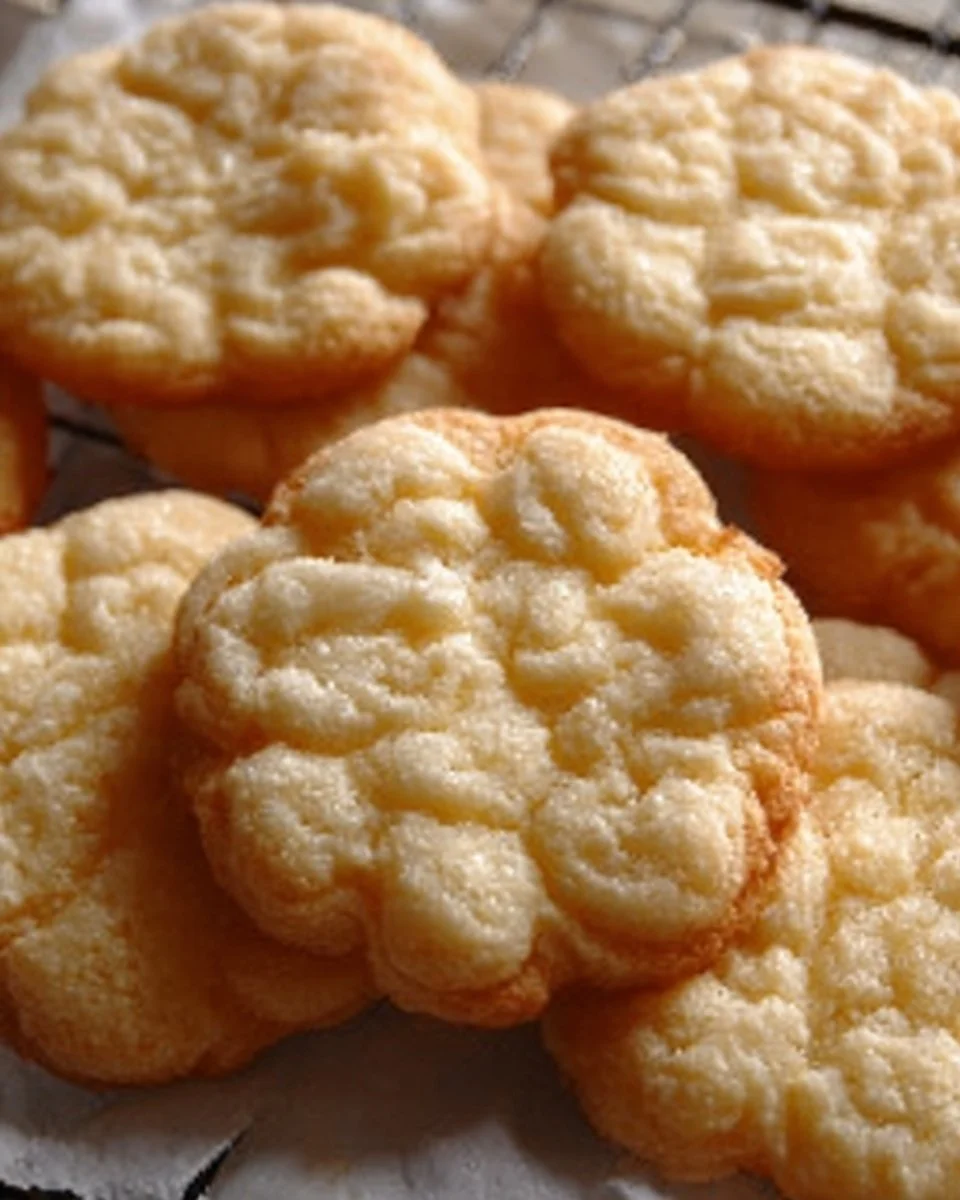
I still remember the first time I brushed warm glaze over these Kentucky-inspired butter cake cookies — the sugar melted into the soft centers and the kitchen smelled like a southern bakery. These cookies are essentially butter cake in miniature: tender, buttery, and glazed for a shiny, slightly sticky finish that keeps them moist for days. They’re perfect for cookie swaps, holiday boxes, afternoon coffee, or anytime you want a dessert that tastes indulgent but comes together with straightforward pantry ingredients. For more butter-forward comfort recipes that pair well with these cookies, check out this collection of rich butter recipes that celebrate buttery flavor.
Why you’ll love this dish
This recipe hits the sweet spot between an old-fashioned butter cake and a classic glazed cookie. It’s:
- Buttery and tender — the dough is rich without being greasy.
- Quick to make — simple creaming and a short bake time.
- Crowd-pleasing — kids and adults both love the soft center and shiny glaze.
- Versatile — the glaze soaks in, so the cookies stay moist for several days.
When to make it: bring these to potlucks, include them on a holiday cookie tray, or bake on a rainy afternoon when you want something comforting and simple.
“These cookies melt in your mouth — pure nostalgic comfort and the glaze is addictive. I doubled the batch for a party and returned with an empty tin.” — Home baker review
How this recipe comes together
A quick overview so you know what to expect:
- Cream the butter and sugars until light and fluffy to build structure and air.
- Add eggs and extracts for richness and deep butter flavor.
- Fold in sifted dry ingredients gently to keep texture tender.
- Shape dough into uniform balls and lightly flatten for even baking.
- Bake until edges are just golden and centers are soft.
- Make a simple butter-sugar glaze while cookies are hot, then brush so it soaks in and seals in moisture.
This is a short, forgiving process — just watch timing and keep mixing gentle after the flour goes in.
What you’ll need
- 2 ½ cups (310 g / 11 oz) all-purpose flour (spoon and level for accuracy; can substitute 1:1 gluten-free flour blend, but expect a slightly different texture)
- 1 cup (200 g / 7 oz) granulated sugar
- ½ cup (100 g / 3.5 oz) powdered sugar
- 1 cup (225 g / 8 oz) unsalted butter, softened (room temperature — see tips)
- 2 large eggs
- 1 tsp vanilla extract
- 1 tsp butter extract (optional — adds an extra buttery note)
- 1 tsp baking powder
- ¼ tsp salt
Glaze: - ½ cup (115 g / 4 oz) unsalted butter
- ¾ cup (150 g / 5.3 oz) granulated sugar
- ¼ cup (60 ml / 2 fl oz) water
- 1 tsp vanilla extract
Notes: If you only have salted butter, reduce added salt to a pinch. Powdered sugar in the dough helps tenderize; don’t skip it for the intended texture.
Step-by-step instructions
- Preheat the oven to 350°F (175°C). Line baking sheets with parchment paper.
- In a large bowl, beat 1 cup softened butter with 1 cup granulated sugar and ½ cup powdered sugar until light and fluffy — about 3–4 minutes with a hand mixer.
- Add eggs one at a time, mixing until each is incorporated. Stir in vanilla and optional butter extract.
- Sift together 2 ½ cups flour, 1 tsp baking powder, and ¼ tsp salt. Fold dry ingredients into the wet mixture gently. Stop when the dough is cohesive and smooth.
- Scoop dough into uniform balls (about 1.5 tablespoons each). Place them 2 inches apart on prepared sheets.
- Flatten each ball into a disc with your fingertips or a flat-bottomed utensil so they bake evenly.
- Bake 10–12 minutes. Cookies should have lightly golden edges and slightly soft centers — they’ll firm as they cool.
- Let cookies rest on the baking sheet for 3–4 minutes, then transfer to a rack.
- For the glaze: melt ½ cup butter in a small saucepan over medium-low heat. Stir in ¾ cup granulated sugar and ¼ cup water until sugar dissolves. Remove from heat and stir in 1 tsp vanilla.
- While cookies are warm, brush or drizzle glaze across the tops. Allow glaze to soak in. For extra shine and moisture, apply a second thin coat after the first has set slightly.
- Cool completely so the glaze firms up into a delicate, glistening finish.
What to serve it with
These cookies are rich, so pair them with something bright or slightly acidic:
- A cup of strong coffee or an espresso-based drink to cut the sweetness.
- Lemon or berry sorbet for a refreshing contrast.
- Slices of crisp apple or pear on the side.
If you’re creating a dessert spread, a light fruity option like strawberry shortcake candy apples brings fresh acidity and visual contrast to the buttery cookies.
Keeping leftovers fresh
- At room temperature: Store in an airtight container for up to 3 days. Place parchment between layers to prevent sticking.
- Refrigeration: Keeps glazed cookies for up to 7 days, but the glaze may become tackier. Bring to room temperature before serving for best flavor.
- Freezing: Freeze unglazed baked cookies in a single layer on a tray, then transfer to a freezer bag for up to 3 months. Thaw, then warm slightly and brush glaze. You can also freeze shaped dough balls (flash-freeze on a tray, then bag) and bake from frozen adding 1–2 minutes to bake time.
Food safety: these cookies contain eggs that are fully cooked. If storing at room temperature, keep them covered and avoid humid storage to preserve texture.
Pro chef tips
- Butter temperature matters: aim for butter soft enough to leave an indentation but not greasy. Over-soft butter yields greasy cookies; too-cold makes a dense bake.
- Cream thoroughly: beating air into the butter-sugar stage improves lift and tenderness. About 3–4 minutes on medium speed is ideal.
- Measure flour by spooning into the cup and leveling or use a scale for reliability.
- Don’t overmix after flour goes in — develop as little gluten as possible to keep cookies tender.
- Flatten cookies to an even thickness so they bake uniformly.
- Make glaze just before you need it. Brush warm glaze so it soaks into the crumb rather than sitting only on the surface.
Creative twists
- Browned-butter version: brown the butter before using — it adds nutty depth.
- Citrus glaze: swap vanilla in the glaze for 1–2 tsp lemon or orange zest plus 1 tbsp juice for brightness.
- Add-ins: fold in ½ cup chopped pecans or white chocolate chips for texture.
- Spiced: add ½ tsp cinnamon and a pinch of nutmeg to the dry mix for autumn notes.
- Vegan option: use vegan butter and a flax “egg” (1 tbsp ground flax + 3 tbsp water per egg). Texture will be slightly different.
- Gluten-free: use a 1:1 gluten-free flour blend; consider adding 1 tsp xanthan gum if the blend lacks it.
FAQ – Your questions answered
Q: How long does it take from start to finish?
A: Active prep is about 20–30 minutes, plus a 10–12 minute bake and cooling time. Plan ~60 minutes total.
Q: Can I make the dough ahead of time?
A: Yes. Chill shaped dough balls (on a tray covered) up to 24 hours, or freeze for up to 3 months. Bake from chilled, adding 1–2 minutes to the bake time.
Q: Can I skip the powdered sugar in the dough?
A: You can, but powdered sugar helps tenderize the crumb. If omitted, the texture will be slightly firmer and less melt-in-your-mouth.
Q: Why are my cookies flat?
A: Likely butter was too soft or over-creamed, or the dough was overmixed. Also check your baking powder—if old, it won’t give lift.
Q: How do I get the glaze to soak in without making cookies soggy?
A: Brush a thin layer while cookies are warm and let it set briefly. If you add too much, the glaze sits on top — multiple thin coats are better than one thick one.
Q: Can salted butter be used?
A: Yes. Reduce the added salt or omit it to avoid an overly salty bite.
Q: Are these safe for kids/pregnant people because they contain eggs?
A: Eggs are baked fully in the cookies; when cooked to recommended time, they’re safe. If you’re concerned, ensure cookies reach the described texture and temperature.
Final thoughts
Give these Kentucky butter cake cookies a try when you want an easy, buttery treat that tastes like a small celebration. If you bake a batch, come back and tell me how you glazed them — I love hearing tweaks and twists from readers.
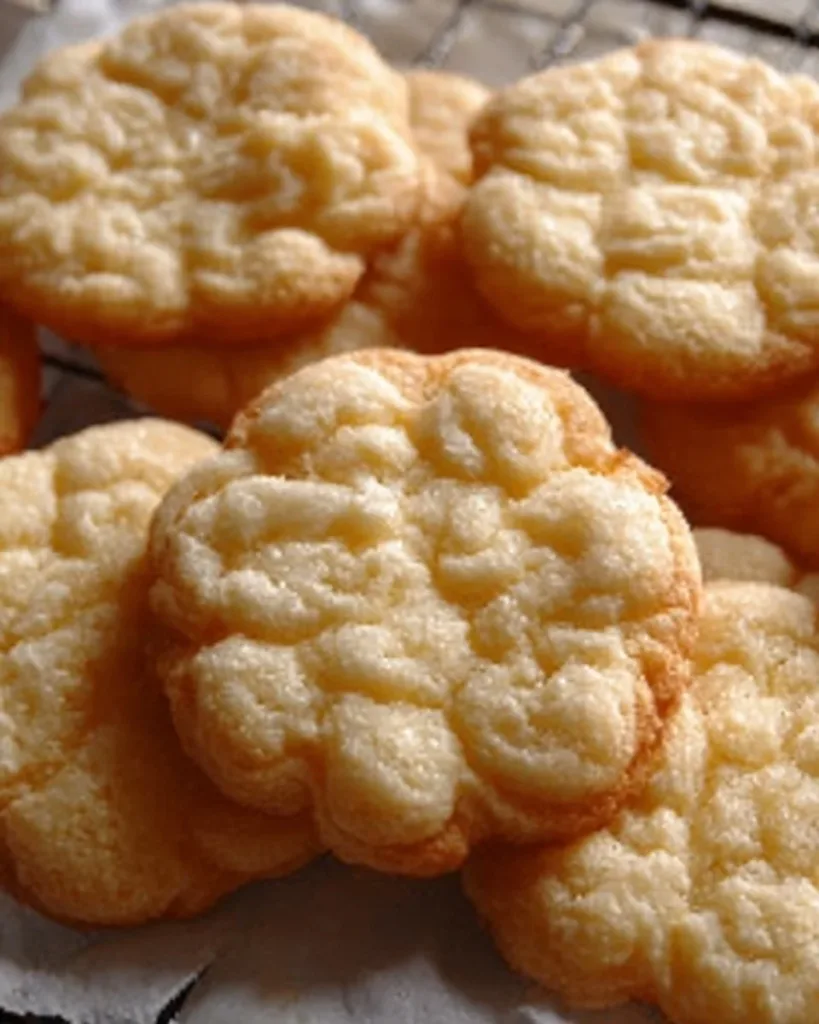
Kentucky Butter Cake Cookies
Ingredients
Method
- Preheat the oven to 350°F (175°C). Line baking sheets with parchment paper.
- In a large bowl, beat 1 cup softened butter with 1 cup granulated sugar and ½ cup powdered sugar until light and fluffy — about 3–4 minutes with a hand mixer.
- Add eggs one at a time, mixing until each is incorporated. Stir in vanilla and optional butter extract.
- Sift together 2 ½ cups flour, 1 tsp baking powder, and ¼ tsp salt. Fold dry ingredients into the wet mixture gently. Stop when the dough is cohesive and smooth.
- Scoop dough into uniform balls (about 1.5 tablespoons each). Place them 2 inches apart on prepared sheets.
- Flatten each ball into a disc with your fingertips or a flat-bottomed utensil so they bake evenly.
- Bake for 10–12 minutes. Cookies should have lightly golden edges and slightly soft centers — they’ll firm as they cool.
- Let cookies rest on the baking sheet for 3–4 minutes, then transfer to a rack.
- For the glaze: melt ½ cup butter in a small saucepan over medium-low heat. Stir in ¾ cup granulated sugar and ¼ cup water until sugar dissolves. Remove from heat and stir in 1 tsp vanilla.
- While cookies are warm, brush or drizzle glaze across the tops. Allow glaze to soak in.
- For extra shine and moisture, apply a second thin coat after the first has set slightly.
- Cool completely so the glaze firms up into a delicate, glistening finish.