
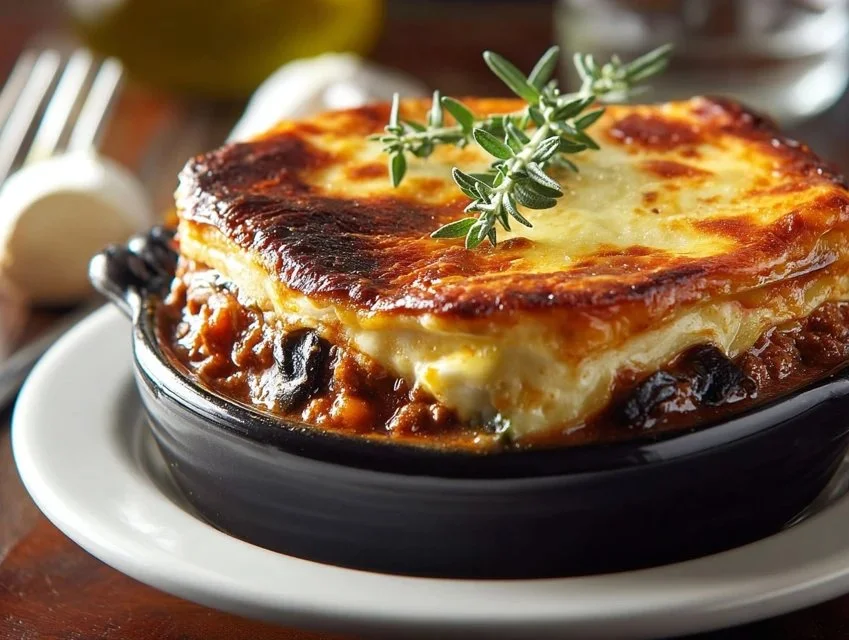
Outrageously Delicious Greek Moussaka is not just a meal; it’s a heartfelt culinary journey that transports you to the sun-kissed shores of Greece with every bite. This comforting dish, layered with fragrant meats, creamy béchamel, and mouth-watering vegetables, is perfect for family gatherings or an indulgent weekend feast. It embodies everything that makes Mediterranean cuisine so irresistible – rich flavors, fresh ingredients, and, if done right, a bit of adventure in the kitchen!
Why you’ll love this dish
What makes this Moussaka stand out? It’s the perfect blend of heartiness and warmth, ideal for entertaining or simply enjoying a cozy night in. Beyond its incredible taste, this recipe is surprisingly budget-friendly, making it a brilliant choice for anyone looking to serve a special dish without breaking the bank. Plus, the layers of vegetables and savory meat create an exciting texture contrast that delights the palate.
"This Moussaka is a true showstopper at dinner parties! The flavor layers are unbelievable – everyone asks for the recipe!" – Happy Home Cook
Step-by-step overview
Creating a truly authentic Moussaka may seem daunting, but don’t worry! The process unfolds easily with a little preparation. You’ll begin by frying a colorful medley of vegetables. Then, you’ll create a rich meat sauce enriched by red wine. Finally, you’ll whip up a creamy béchamel sauce to complete the layers before baking everything to perfection. Each step brings you closer to this classic dish that’s sure to make your taste buds sing.
{image_template}
Ingredients
- 2 cups olive oil for frying (varies depending on pan size)
- 4 potatoes
- 4 zucchini
- 4 eggplants
- 200 grams Kefalograviera cheese, finely shredded (or substitutes like parmesan, kasseri, or pecorino)
- 1 tablespoon salt
- ½ tablespoon pepper
- 2 tablespoons olive oil
- 1 large red onion, finely chopped
- 1 medium-sized garlic bulb, minced
- 1 kg beef mince meat
- 1 cup red wine
- 800 grams crushed canned tomatoes
- 1 tablespoon salt
- ½ teaspoon white pepper
- ½ teaspoon ground cinnamon
- ½ teaspoon ground nutmeg
- 2 teaspoons sugar
- ½ teaspoon thyme
- 1 teaspoon oregano
- 3 bay leaves
- 1 bunch fresh parsley, finely chopped
- 150 grams unsalted butter
- 1 cup plain flour
- 1 liter milk
- 2 egg yolks (keep whites for breakfast)
- ½ teaspoon nutmeg
- 250 grams Kefalograviera cheese, finely shredded (or substitutes like parmesan, kasseri, or pecorino)
Step-by-step instructions
Vegetable Base
- Start by slicing the potatoes, zucchini, and eggplants into circular disks.
- Heat 2 cups of olive oil in a pan over medium-high heat.
- Fry the vegetable slices until golden brown.
- Once fried, transfer them to paper towels to drain excess oil. Spread them out to ensure they crisp up nicely—using a wire rack can help with draining if necessary.
Meat Sauce
- In a large pot over high heat, combine olive oil with the chopped onion and minced garlic. Cook until soft and translucent.
- Add the beef mince and cook, breaking it up as it browns.
- Pour in the red wine, letting it simmer for about 3 minutes until mostly evaporated.
- Stir in the crushed tomatoes and season with salt, white pepper, ground cinnamon, nutmeg, sugar, thyme, oregano, bay leaves, and parsley. Bring to a simmer and let it cook for about 10 minutes.
Béchamel Sauce
- In another saucepan, melt the butter over medium heat and gradually add the flour, whisking until combined.
- Slowly pour in the milk, whisking continuously to avoid lumps, until a thick, creamy texture forms.
- Stir in the egg yolks, nutmeg, and shredded Kefalograviera cheese. Cook until the béchamel thickens and bubbles, then remove from heat.
Assembly and Cooking
- Preheat your oven to 165°C (fan-forced).
- In a baking dish, arrange a layer of potato slices, seasoning with salt and pepper, followed by a sprinkle of cheese.
- Add layers of eggplant, zucchini, and the remaining eggplant, seasoning and sprinkling cheese in between each layer.
- Pour the meat sauce over the layered vegetables evenly, then top it with the béchamel sauce.
- Bake for 40 minutes or until the top is golden brown. Keep an eye on it from 30 minutes onwards to prevent overcooking.
- Allow it to rest for at least 30 minutes before slicing. This step is essential for cleaner portions!
Best ways to enjoy it
Moussaka is a star on its own but can shine even brighter with some thoughtful pairings. Consider serving it with a fresh Greek salad, drizzled with olive oil or a refreshing tzatziki. For beverages, a glass of light red wine or a crisp, chilled white pairs beautifully and enhances the flavors.
Keeping leftovers fresh
Storing Moussaka is a breeze. Let any leftovers cool completely and transfer them to an airtight container. Refrigerate for up to three days. If you want to extend their life, you can freeze portions for up to three months. Just make sure to thaw in the fridge overnight before reheating to maintain flavor and texture. Always ensure safe food practices when handling leftovers!
Pro chef tips
- Spice it up! Feel free to add more spices like smoked paprika or chili for a kick.
- Use fresh herbs! Fresh parsley at the end boosts the flavor profile immensely.
- If you’re short on time, consider using pre-cooked or frozen vegetables to save on prep.
- Always allow the dish to rest after baking; this makes it easier to cut and serve without falling apart.
Creative twists
Moussaka can be tweaked to suit various tastes. For a vegetarian alternative, swap out the meat for lentils or chickpeas and add more layers of vegetables. You could also experiment with different cheeses for the béchamel—feta adds a nice tang, while goat cheese can impart a unique creaminess.
FAQs
-
What can I substitute for Kefalograviera cheese?
You can use parmesan, kasseri, or pecorino as substitutes. -
Can I make Moussaka ahead of time?
Absolutely! Prepare it a day in advance, refrigerate, and bake right before serving for the freshest taste. -
How long does it take to make this Moussaka?
The total time, including prep and baking, is about 2 hours. -
Can I freeze Moussaka?
Yes! Cool completely before freezing, and it can last up to three months in an airtight container. -
Is there a vegetarian version?
Yes! Replace the beef with lentils or a mix of sautéed mushrooms and other vegetables.
Final thoughts
This Outrageously Delicious Greek Moussaka is sure to become a favorite in your kitchen. With its lively flavors and comforting textures, it’s a fantastic way to explore Greek cuisine. Try this recipe today and feel free to drop a comment about your experience! Happy cooking!
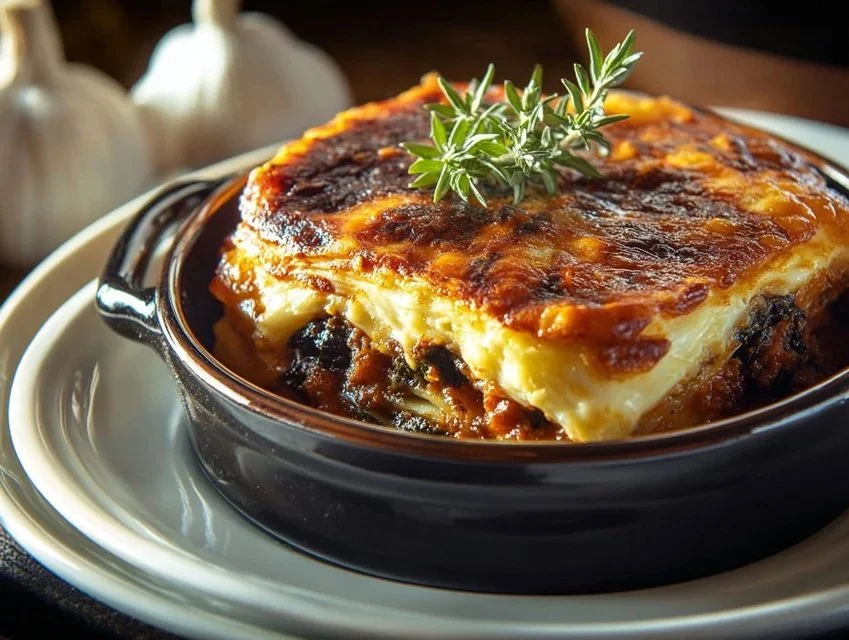
Greek Moussaka
Ingredients
Method
- Slice the potatoes, zucchini, and eggplants into circular disks.
- Heat 2 cups of olive oil in a pan over medium-high heat.
- Fry the vegetable slices until golden brown.
- Transfer them to paper towels to drain excess oil. Spread them out to ensure they crisp up nicely.
- In a large pot over high heat, combine olive oil with the chopped onion and minced garlic. Cook until soft and translucent.
- Add the beef mince and cook, breaking it up as it browns.
- Pour in the red wine, letting it simmer for about 3 minutes until mostly evaporated.
- Stir in the crushed tomatoes and season with salt, white pepper, ground cinnamon, nutmeg, sugar, thyme, oregano, bay leaves, and parsley. Bring to a simmer and let it cook for about 10 minutes.
- In another saucepan, melt the butter over medium heat and gradually add the flour, whisking until combined.
- Slowly pour in the milk, whisking continuously to avoid lumps, until a thick, creamy texture forms.
- Stir in the egg yolks, nutmeg, and shredded Kefalograviera cheese. Cook until the béchamel thickens and bubbles, then remove from heat.
- Preheat your oven to 165°C (fan-forced).
- In a baking dish, arrange a layer of potato slices, seasoning with salt and pepper, followed by a sprinkle of cheese.
- Add layers of eggplant, zucchini, and the remaining eggplant, seasoning and sprinkling cheese in between each layer.
- Pour the meat sauce over the layered vegetables evenly, then top it with the béchamel sauce.
- Bake for 40 minutes or until the top is golden brown. Keep an eye on it from 30 minutes onwards to prevent overcooking.
- Allow it to rest for at least 30 minutes before slicing for cleaner portions.